What we do

Our Approach

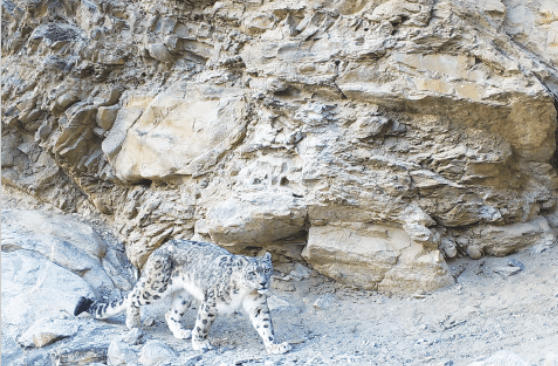
Snow Leopard Conservancy partners with local conservationists, range country and international organizations, and mountain communities living with snow leopards. We invest in solutions that save the lives of snow leopards and other predators from the consequence of human-wildlife conflict and build a long term foundation of coexistence, guardianship and self-reliance. Our collaborative initiatives and locally-led projects empower Indigenous Traditional Ecological Knowledge, evidence-based science, and promote healthy mountain ecosystems across the snow leopard’s range.

COLLABORATIVE INITIATIVES

Collaborative initiatives are field programs that are co-led by local communities, organizations, and international NGOs like SLC, working together to protect snow leopards and their ecosystems. SLC provides financial backing, facilitation, and decades of conservation experience to bring together diverse stakeholders with shared decision-making to create conservation efforts that are locally driven, culturally appropriate, and scientifically sound.

LOCALLY-LED PROJECTS

SLC’s partners protect the biodiversity of the high mountains while promoting environmental stewardship and conservation. Projects focus on reducing human-wildlife conflicts, advancing conservation education, reviving traditional cultural values, and encouraging community collaboration for coexistence. We are committed to supporting these local organizations with technical and financial assistance and building their long-term capacity.

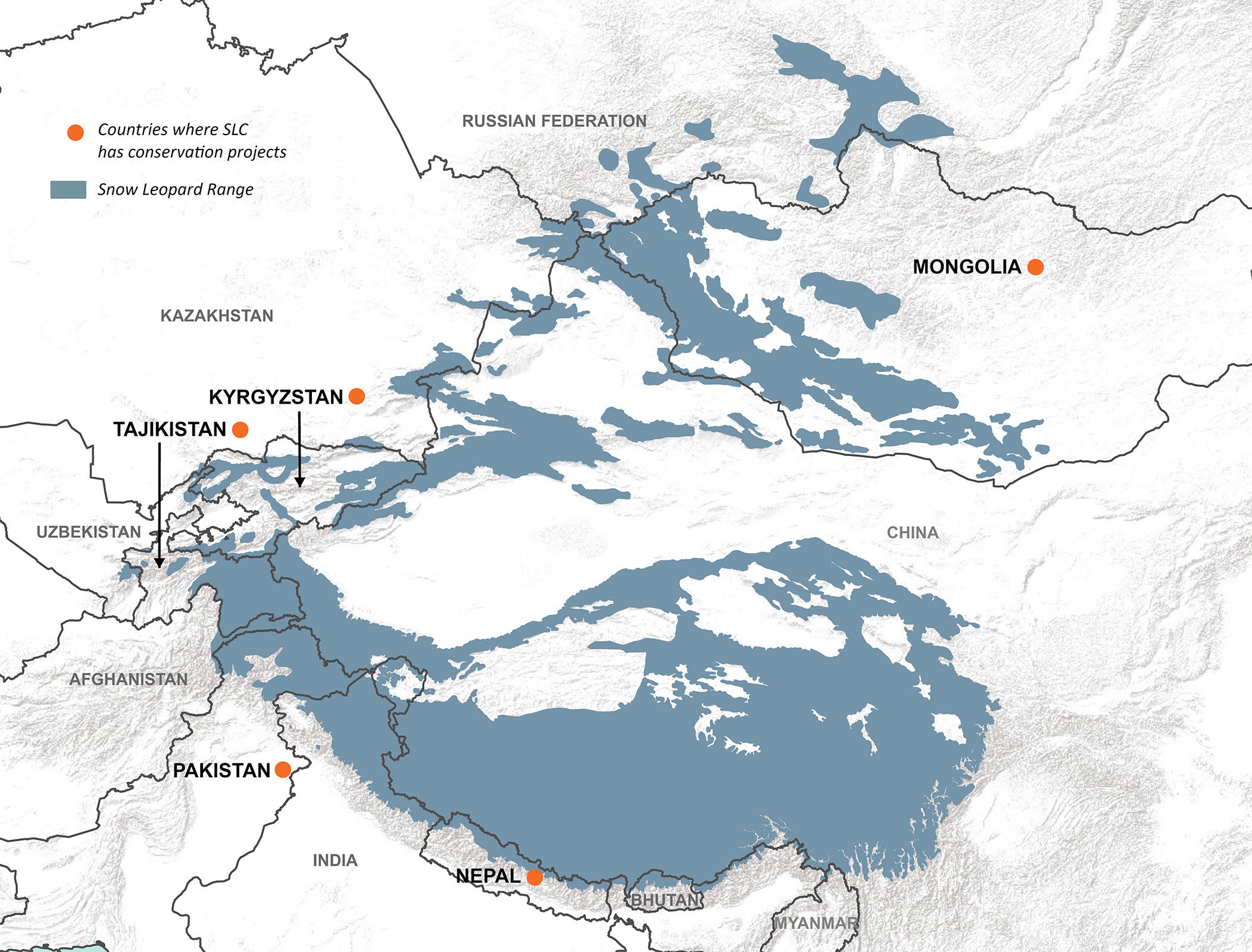
Where We Work

Collaborative Initiatives

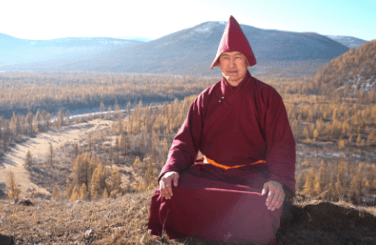
Land of SNOW LEOPARD NETWORK

This Network is rooted in
indigenous understanding of the Snow Leopard’s sacred, cultural, and environmental significance in Central & Inner Asia.

LOSL’s spiritual leaders and practitioners are devoted to biocultural and environmental guardianship through global advocacy and locally-led projects, recognizing Snow Leopard as the cosmic axis of ancient traditions.

LEARN MORE

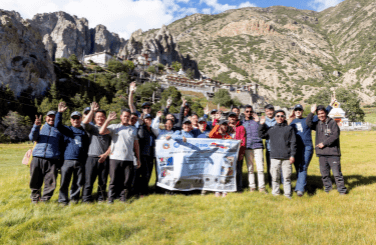
Darwin Initiative

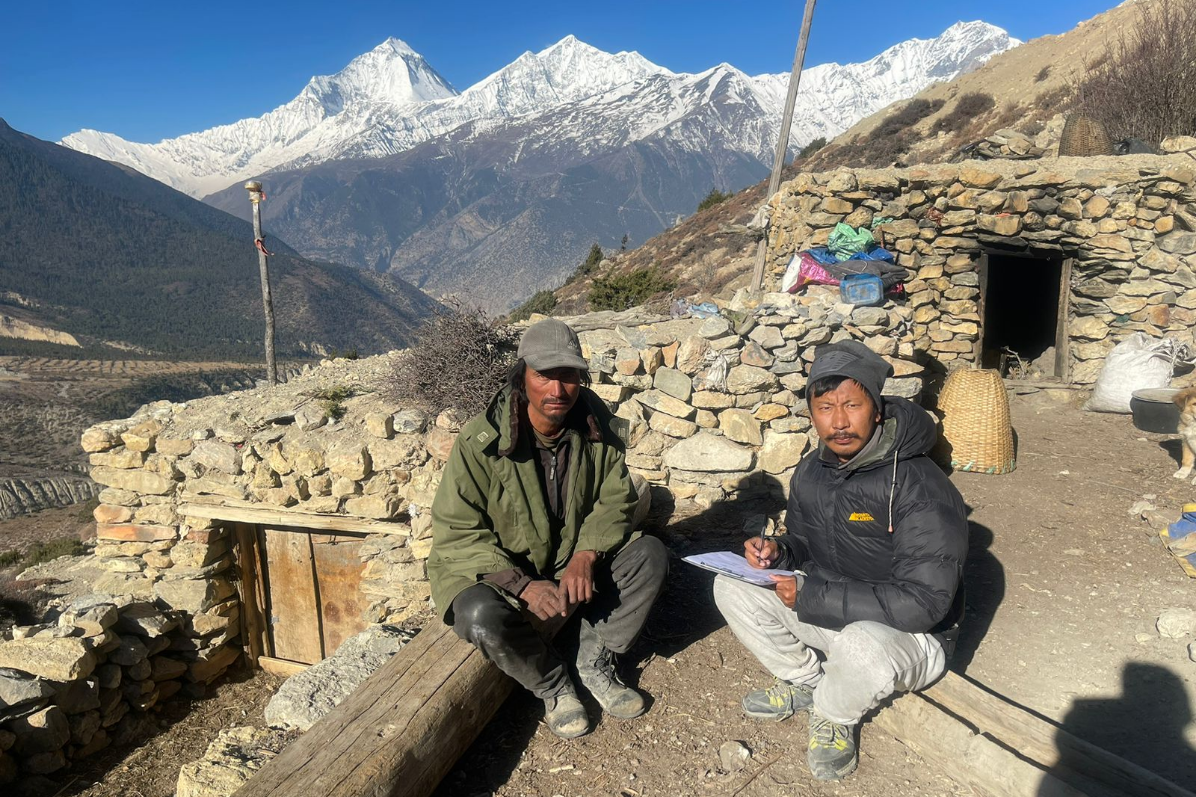
In Nepal’s Annapurna Conservation Area, we integrate local government and community conservation efforts to protect snow leopards. We foster inter-municipal collaboration, streamline predation compensation, and support herder cooperatives.

This approach reduces human-wildlife conflict and enhances economic opportunities, benefiting both communities and wildlife.

LEARN MORE

One Health -
ONE WELFARE

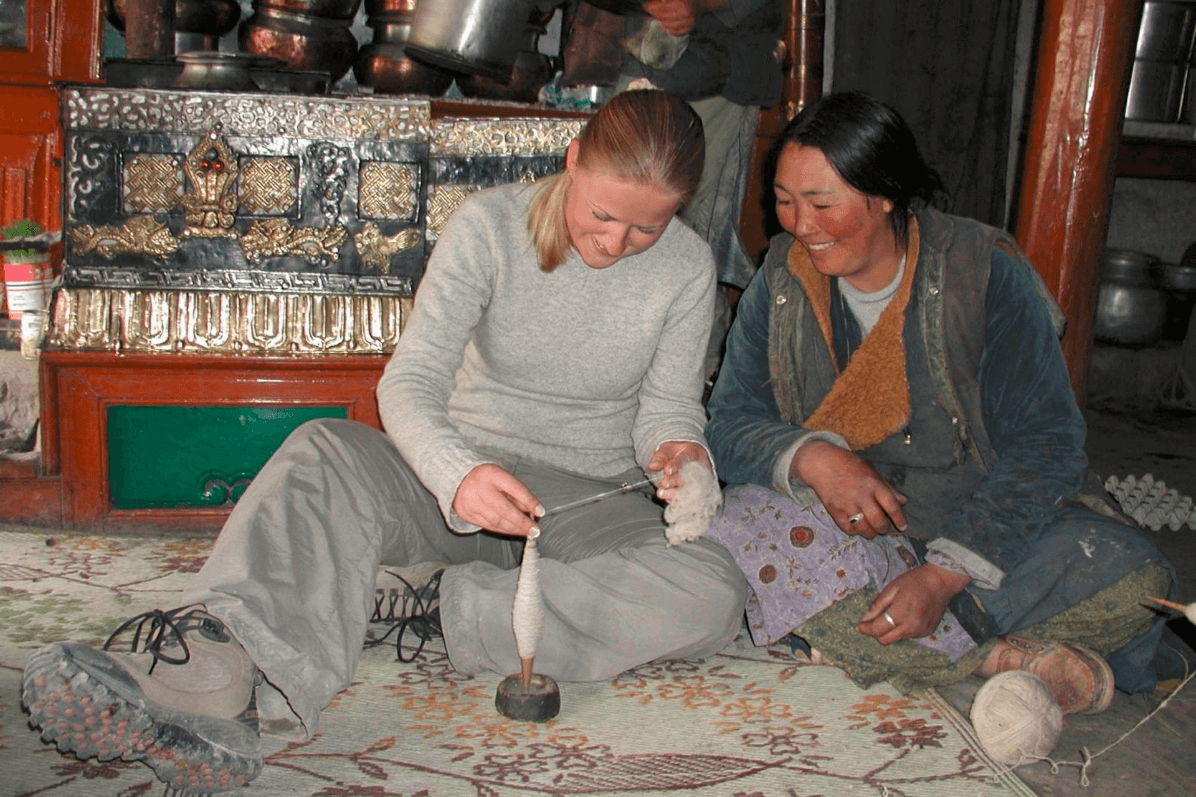
This initiative is improving animal and human health in Nepal’s remote mountain communities through access to veterinary care, education, and training in the Manang District of Annapurna Conservation Area.

By reducing transmissible
diseases and human-
wildlife conflicts, we support vital livelihoods and snow leopard conservation, benefiting people, animals, and the environment.

LEARN MORE

APPLIED
CONSERVATION
RESEARCH

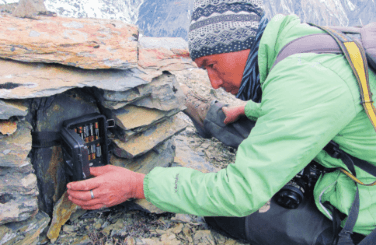
Using techniques such as
camera trap monitoring,
genetic analysis, and GIS
habitat modeling, we have
pioneered innovative technologies that have become industry standards for non-invasive data collection on snow leopards, their prey, and habitat.

New research includes
piloting drones for wild
ungulate censuses and
artificially intelligent camera trap deterrents to prevent human-snow leopard conflict over livestock depredation.
Collaborative Initiatives

Land of SNOW LEOPARD

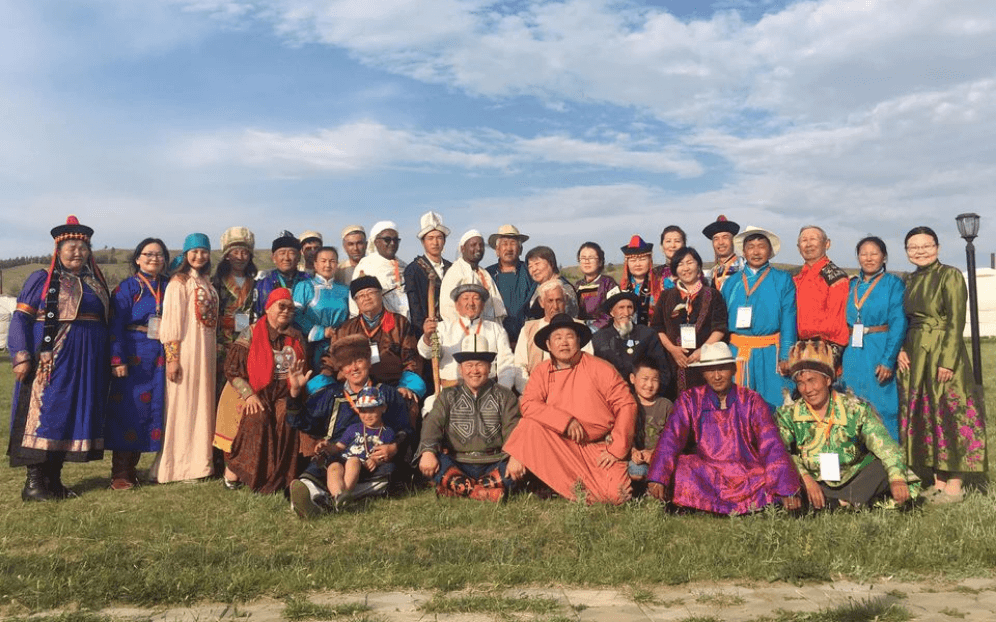
This Network is rooted in
indigenous understanding of the Snow Leopard’s sacred, cultural, and environmental significance in Central & Inner Asia.

LOSL’s spiritual leaders and practitioners are devoted to biocultural and environmental guardianship through global advocacy and locally-led projects, recognizing Snow Leopard as the cosmic axis of ancient traditions.

LEARN MORE

Darwin Initiative

In Nepal’s Annapurna Conservation Area, we integrate local government and community conservation efforts to protect snow leopards. We foster inter-municipal collaboration, streamline predation compensation, and support herder cooperatives.

This approach reduces human-wildlife conflict and enhances economic opportunities, benefiting both communities and wildlife.

LEARN MORE

One Health
ONE WELFARE

This initiative is improving animal and human health in Nepal’s remote mountain communities through access to veterinary care, education, and training in the Manang District of Annapurna Conservation Area.

By reducing transmissible
diseases and human-
wildlife conflicts, we support vital livelihoods and snow leopard conservation, benefiting people, animals, and the environment.

LEARN MORE

APPLIED
CONSERVATION
RESEARCH

Using techniques such as camera trap monitoring, genetic analysis, and GIS habitat modeling, we have pioneered innovative technologies that have become industry standards for non-invasive data collection on snow leopards, their prey, and habitat. New research includes piloting drones for wild ungulate censuses and artificially intelligent camera trap deterrents to prevent human-snow leopard conflict over livestock depredation.
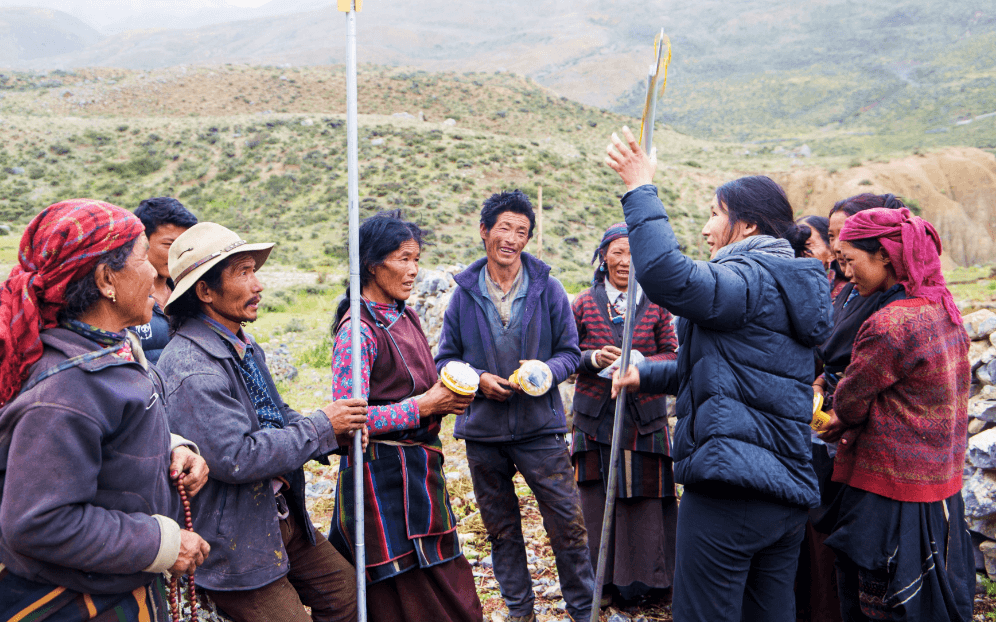
Locally-led Projects

Bridging Communities and Conservation in Pakistan

Led by Baltistan Wildlife Conservation
and Development Organization

Mitigates human-wildlife conflict by building predator-proof corrals, offering
livestock insurance, and educating students and communities about snow
leopard conservation.

Building Snow Leopard Friendly Communities

Led by Niraj Thakali, Mountain Spirit Codevelops conservation solutions with herders, mother’s groups, and municipality leaders by implementing predator-proofing tools, improving livelihoods and increasing local conservation actions.

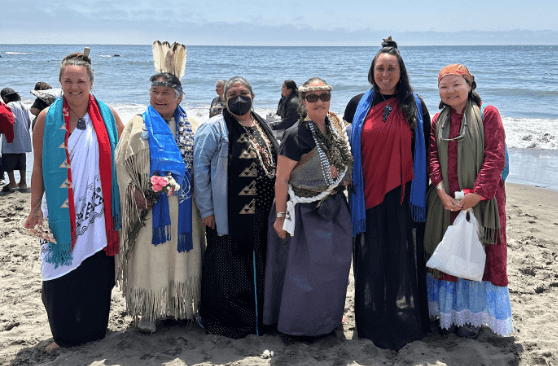
Connecting Sacred Species and Sacred Places

Led by Maria Azhunova, Land of Snow Leopard Network

Indigenous youth cross-cultural learning exchange between North America and Central Asia.

Empowering the Guardians of Dolpo

Led by Tshiring Lhamu Lama, Snow Leopard Journey

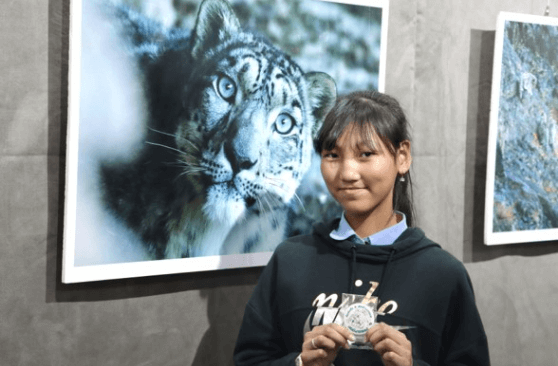
Former Snow Leopard Junior Ranger, Tshiring, leads conservation efforts in her
hometown Dolpo, Nepal, to protect snow leopards and prevent retaliatory killings.

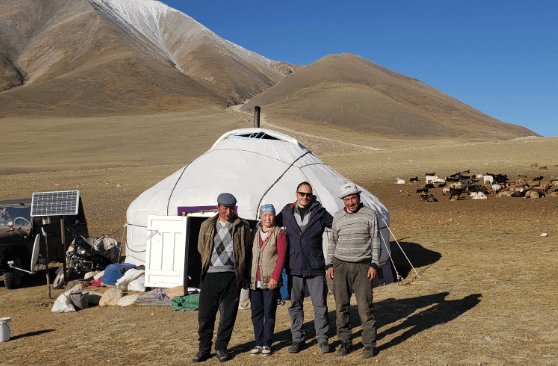
Kyrgyz El Akyl Kazyna Elders and Youth

Led by Zhaparkul Raimbekov / Rural Development Fund

Preserves cultural heritage and protects sacred snow leopards by teaching Kyrgyz youth Traditional Knowledge and
cultural values through educational activities.

Lights for
Life

Led by Claudio Augugliaro, Wildlife Initiative

Protects snow leopards in Mongolia’s Sutai corridor, engaging herders as co-
researchers through camera trapping, Foxlights (solar predator deterrents), education, and conflict mitigation.
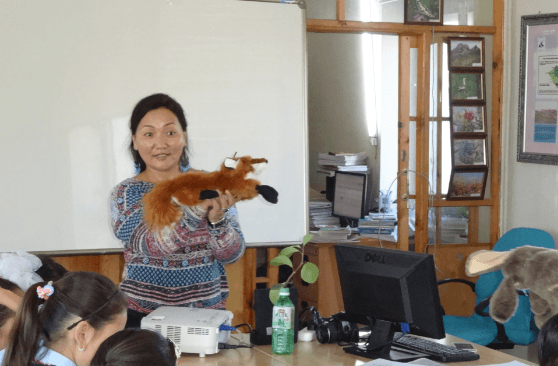
Nomadic Nature Conservation

Led by Tungalagtuya Khuukhenduu

Cultivates conservation-minded Mongolian youth, teachers, and ecoclubs through the award-winning Nomadic Nature Trunks
program in Ulaanbaatar’s urban schools.

Project UKALI

Led by Rinzin Phunjok Lama

Strengthening community-led biodiversity conservation in the Upper Karnali landscape in Nepal.

Snow Leopard Scouts Mustang & Taplejung

Led by Anil Adhikari, Teka Samuha Nepal

Provides high mountain communities and schools with ecological curriculum while
promoting youth citizen science and eco-clubs for snow leopard conservation.

Uplifting Community
Voices for Snow Leopard Conservation

Led by Anil Adhikari, Teka Samuha Nepal

Engaging communities in snow leopard conservation by sharing their voices and stories through a dedicated radio broadcast and free conservation magazine.

World Snow Leopard
Day Festival

Led by Dr. Bariushaa Munkhtsog

Irbis Mongolia hosts children and communities for fun activities, celebrating
and promoting snow leopard conservation in the Hovd province of Mongolia.

Youth Education
rooted in Indigenous Cultural Spirituality

Led by Land of Snow Leopard Network

Integrates indigenous spiritual, cultural, and ecological lessons in Nomadic Nature Trunks education in Mongolia,
Kyrgyzstan, and Tajikistan.

United Nations
Sustainable Development Goals

The United Nations Sustainable Development Goals (SDGs) provide an integrated framework for global development that recognizes the critical interconnection between environmental conservation, social equity, and economic progress, making them essential for protecting biodiversity and natural habitats while ensuring human communities have sustainable livelihoods that reduce pressure on ecosystems. The Snow Leopard Conservancy carefully aligns and categorizes all its projects with specific SDGs to ensure our work contributes meaningfully to these broader targets while maximizing positive impact for both wildlife and local communities.

Field Partners

Animal Nepal (Nepal)

Helping to create a society where all animals can live a life free from pain, suffering and human cruelty.

Baltistan Wildlife Conservation and Development Organization (Pakistan)

Promotes coexistence between nature and society, advocating sustainable solutions that resolve human-wildlife conflicts.

Department of National Parks & Wildlife Conservation (Nepal)

Conserving wildlife and outstanding landscapes of ecological importance for the well-being of the people.

Duquesne University (USA)

Associate Professor in the Department of Biological Sciences, Dr. Jan Janečka, focuses on conservation genetics of snow leopards.

Global Snow Leopard and Ecosystem Protection Program

Global alliance to save snow leopards and mountain ecosystems through collaboration and conservation efforts.

International Veterinary Outreach (USA)

Envisions a world free of animal suffering where communities connected with animals thrive.

Irbis Mongolia (Mongolia)

Dedicated to mammal research, wildlife monitoring, and conservation in Mongolia.

IUCN Cat Specialist Group (Global)

The Cat Specialist Group is responsible for the global monitoring and conservation of all wild living cat species.

Land of Snow Leopard Network (Central & Inner Asia)

100+ members with strong local institutional capacity and deep commitment to their intrinsic responsibility for guardianship of Mother Earth.

Manul Working Group (Global)

Brings together specialists involved in the study and conservation of manul in the wild
and in captivity.

Mongolian Academy of Science (Mongolia)

Autonomous self-governing body for development and promotion of sciences in Mongolia.

Mountain Spirit (Nepal)

Enhances livelihoods, protects the environment, and conserves culture through community empowerment and sustainable development.

National Trust for Nature Conservation (Nepal)

Implements the Annapurna Conservation Area Project, a protected area established in 1986.

Nomadic Nature Conservation (Mongolia)

Cultivating the next generation of conservation minded Mongolians, bringing ecological education to Mongolia’s rural schools and communities.

Pallas’s Cat International Conservation Alliance (Global)

Advancing conservation of the Pallas’s cat through research, capacity building, awareness and strategies.

Public Association “Kuhhoi Pomir” (Tajikistan)

Studying life of highlanders, bioculture, and environment in the context of “Man. Culture. Nature.”

Project UKALI (Nepal)

Strengthening community-led biodiversity conservation in the upper karnali landscape in Nepal.

Rocky Mountain Cat Conservancy (USA)

A nonprofit dedicated to wild cat conservation through research, education, and community stewardship.

Rural Development Fund (Kyrgyzstan)

Every day we work hard for the wellbeing of the environment and people.

Snow Leopard Conservancy India Trust (India)

Non-governmental organization working in the Trans-Himalayan regions of Ladakh and Spiti for snow leopard conservation.

Snow Leopard Journey (Nepal)

Ecotourism in Dolpo benefitting local people coexisting with endangered snow leopards.

Snow Leopard Network (Global)

Worldwide organization dedicated to facilitating the exchange of information and insights for snow leopard conservation.
Taalim-Forum Public Foundation (Kyrgyzstan)

Supporting initiatives to improve quality and access to education, well-being and sustainable community development.

Teka Samuha Nepal (Nepal)

Initiates environment awareness campaigns to build local capacities in youth and adults.

Wildlife Initiative (Mongolia)

Wildlife Initiative operates to protect wildlife involving the local community and based on scientific evidence.

Worldwide Indigenous Science Network (Global)

Creates places for ethical collaboration between the two ways of knowing Indigenous and Western.

WWF Mongolia (Mongolia)

World Wildlife Fund works to conserve and sustainably manage ecosystems, species, and habitats.

Bob Wilson (+)

CFO/TREASURER (2010-2023)

We mourn the loss of Robert J. Wilson, Board Treasurer/Chief Financial Officer and longtime personal and professional friend of the Snow Leopard Conservancy. Bob will always be remembered for his huge heart and caring commitment to wild animals, from sea lions, walruses and polar bears to snow leopards, tigers and more. He was so very gracious in giving his time and deep knowledge of non-profits. Bob was responsible for helping Darla and Rodney establish SLC in 2010 as a 501( c)(3) organization. His attention to good fiscal management and governance helped guide the organization to where it is today – well respected and active in five of the snow leopard’s 12 range countries centered in the mountains of Asia.

On behalf of SLC and all colleagues across the world, we extend our heartfelt condolences to Bob’s family and his many friends. He will be truly missed, but we know his spirit will be nearby, in the Farallon Islands and the other places so dear to him. Rest in Love & Peace, dearest Bob.

DEVELOPMENT & OPERATIONS MANAGER

Karen Campbell (she/her/hers) is a strategic development professional with 20 years of dedicated experience in the nonprofit sector and a passionate advocate for the environment. Over her career, Karen has led programs and raised funds for conservation and youth environmental education programs that develop environmental literacy and foster future generations as stewards of the environment. Karen holds a Master of Nonprofit Administration from University of San Francisco School of Management, as well as, a Bachelor of Science in Environmental and Biological Sciences from Antioch College, Yellow Springs, Ohio. She enjoys spending time in nature, teaching Pilates and tending to her raised bed community garden.

Dr. Katie Lawlor

TRUSTEE

Dr. Katie Lawlor is the co-founder of Veterinary Mental Health Support (VMHS), an international nonprofit program that provides free mental health support services to veterinary medicine professionals. Katie received her doctorate from the joint program between the Stanford University Department of Psychiatry and Behavioral Sciences and the Pacific Graduate School of Psychology. She trained at both the Stanford University Medical Center and the VA Palo Alto Health Care System, focusing on Cognitive Behavioral Therapy (CBT), neuropsychology, and human-animal interactions (HAI). Before her career in clinical psychology, Katie held positions with NBC News in Beijing and New York City, the U.S. Department of State in Washington DC, and the Governor’s Office of California. She holds a Master’s in economic policy from Columbia University and a BA from the University of Notre Dame.