

Wildlife Initiatives’ trail cameras are documenting how snow leopards and wolves navigate landscapes shared with traditional herding communities – Trail Camera Photo: Wildlife Initiative
Since 2022, Snow Leopard Conservancy partner Wildlife Initiative has been working hand-in-hand with local herders in Western Mongolia to develop practical solutions that protect both wildlife and human livelihoods. This two-year project has now come to a close. It combined predator-deterring technology with local knowledge, creating a model for conservation that benefits everyone involved. Wildlife Initiative’s main goal was to reduce human–carnivore conflict within the Sutai–Myang Ugalzad ecological corridor and to understand snow leopard and wolf movement patterns to help protect both wildlife and local livelihoods. We are pleased to share updates and accomplishments and plans for continuing the project’s success!
The Conservation Dilemma
Mongolia’s livestock numbers have tripled since the 1990s, reaching 75 million animals today. These numbers include 27 million goats, reflecting the growing global demand for cashmere products. This dramatic increase has led to ecosystem degradation and intensified competition between domestic animals and wild prey, pushing snow leopards and wolves to target livestock for survival. For herding families, losing even a few animals to predators represents a significant economic blow. Historically, this has led to retaliatory killings of carnivores, threatening the survival of these species that play an important role in maintaining healthy ecosystems.
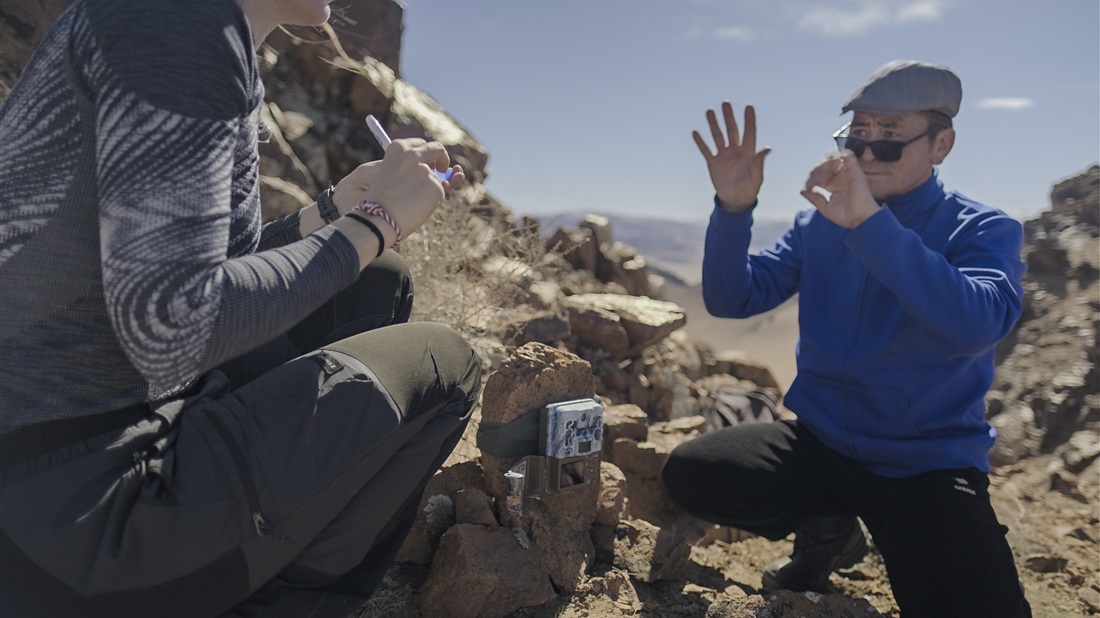
Wildlife Initiative researchers position a motion-activated camera trap along a rocky ridge in the Sutai-Myang Ugalzad corridor – Photo: Wildlife Initiative
Solving the Problem
Utilizing the following key components, the Wildlife Initiative team addressed the threat to wildlife and local livelihoods.
🔎Community-Based Monitoring: Thirty local herder families serve as wildlife monitors, filling out weekly forms documenting carnivore signs, tracks, and interactions. Their deep knowledge of the landscape, combined with systematic data collection, provides invaluable insights into snow leopard and wolf behavior.
💡High-Tech Deterrents: The project has distributed 40 solar-powered Foxlights, nighttime predator deterrent devices that flash LED lights to keep carnivores away from livestock at night. These lights are strategically placed and regularly rotated to prevent habituation.
📸Camera Trap Network: A network of 55 motion-activated cameras captures detailed information about snow leopard movements, helping researchers understand how these elusive cats use the corridor and when and where conflicts are most likely to occur.
📚Education and Training: Annual workshops bring together herders, rangers, and conservation experts to share knowledge, improve predator identification skills, and develop new conflict prevention strategies.
Remarkable Results After Two Years
📉🐑Reduced Livestock Losses: Overall predation by snow leopards and wolves has decreased significantly, with snow leopard attacks on goats and sheep dropping by 62% last year alone.
📈😀Improved Attitudes: While challenges remain, herder attitudes toward snow leopards have improved since the project began, with several respondents now expressing positive attitudes toward the species.
💥Scientific Breakthroughs: Camera traps recorded nearly 200 independent snow leopard detections, providing insights into their behavior, habitat use, and activity patterns.
👥Community Engagement: The dedicated herder monitors submitted nearly 2,000 weekly observation forms, demonstrating a remarkable commitment to the project.
Real Stories from the Field
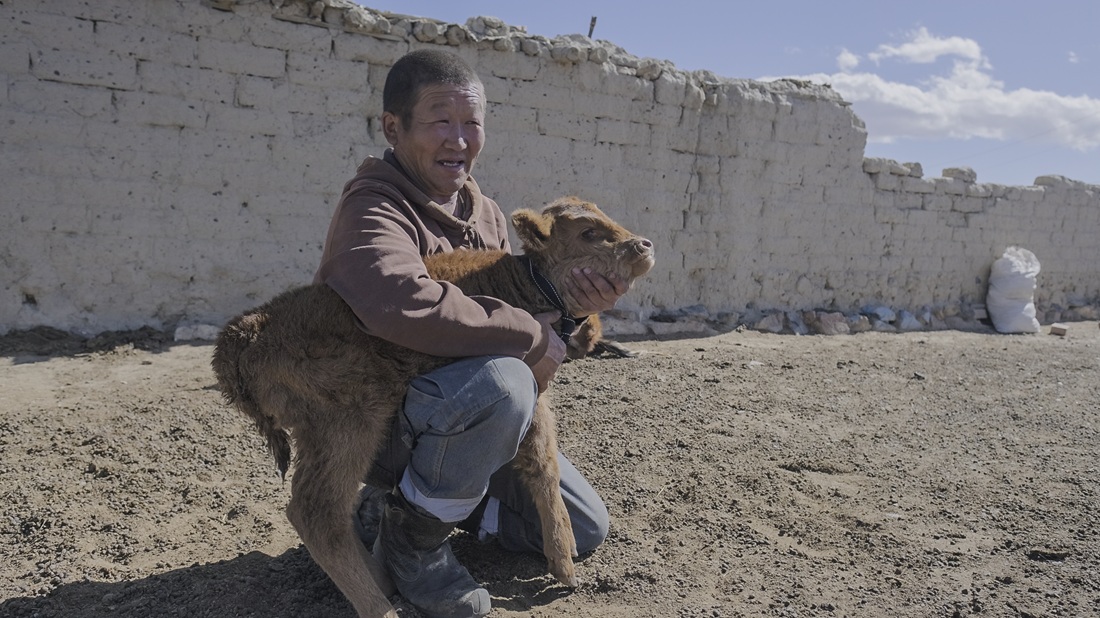
Herders in Mongolia rely on raising livestock for their livelihood. Wildlife Initiative supports this community by sharing conflict interventions that protect both livestock and carnivores – Photo: Wildlife Initiative
The project’s success is perhaps best demonstrated through the words of participating herders themselves. During a recent workshop, one herder calmly described observing a family of three snow leopards, a mother with two subadult offspring, near his camp on multiple occasions. Despite losing a couple of sheep to these cats, he shared the information without resentment, representing a remarkable shift in perspective.
Another herder described encountering a snow leopard feeding on a goat outside his camp. Rather than reaching for his rifle, he chose to let the animal finish its meal undisturbed, a powerful example of the changing relationship between humans and wildlife in the region.
What’s Next?
The strong partnership between Wildlife Initiative and local herding families has proven that humans and carnivores can coexist successfully, with significant reductions in livestock predation and growing support for conservation. To continue building upon this foundation of trust and collaboration, the team is launching the project’s second phase to safeguard this vital ecosystem.
- Enhanced Monitoring: Expanding the camera trap monitoring network to better understand snow leopard behavior and their interactions with other local wildlife
- Livestock Free Zones: Establishing seasonal livestock-free zones in snow leopard hotspots, where participating herders receive forage compensation for relocating their animals during critical periods
- Building a Comprehensive Ecosystem Program: Over the next several years, Wildlife Initiative has plans to expand its project to include a livestock guardian dog program, animal vaccination campaigns, and environmental education programs, paving the way for a more holistic conservation effort in the region.

Aerial view of livestock grazing in the Sutai-Myang Ugalzad corridor, where traditional herding families share the landscape with snow leopards – Photo: Wildlife Initiative
A Sustainable Conservation Model
Wildlife Initiative’s project in the Sutai-Myang Ugalzad corridor demonstrates that effective conservation doesn’t require choosing between wildlife and human communities. By treating local herders as partners rather than obstacles, and by providing practical, economic benefits alongside conservation goals, this initiative has created a sustainable model that other regions can adapt.
The project’s emphasis on consistent presence, trust-building, and collaborative planning has proven that long-term engagement is essential for changing attitudes and behaviors toward wildlife. As Mongolia continues to navigate rapid social and economic changes, including new opportunities in mining, this conservation partnership provides stability and hope for both snow leopards and the communities that share their landscape.