
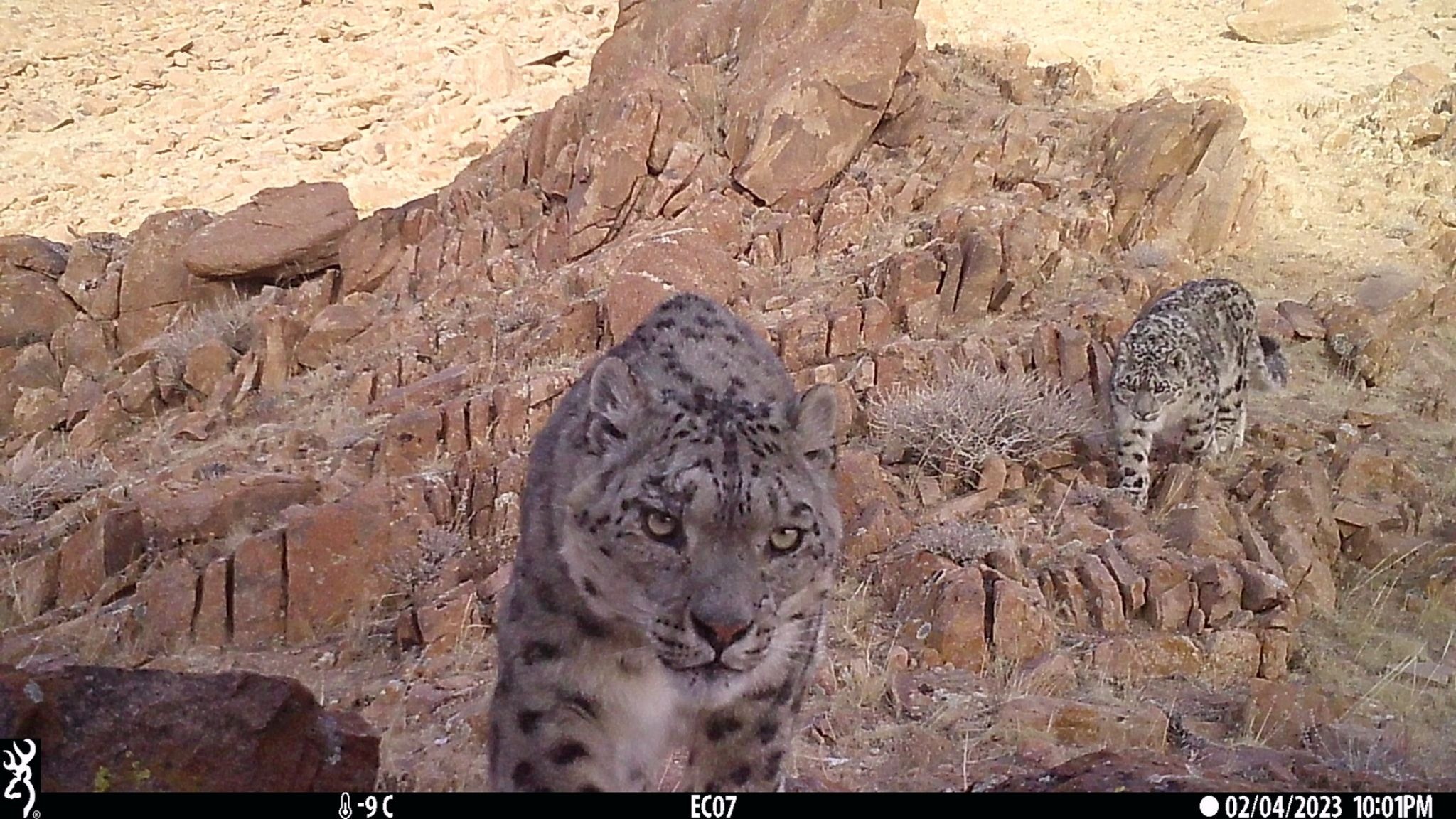
Camera trap photo of a snow leopard from Wildlife Initiative’s project “Community-Based Carnivore Monitoring in the Sutai–Myang Ugalzad Ecological Corridor, Mongolia.”
Over the past year, Snow Leopard Conservancy (SLC) strengthened conservation efforts in western Mongolia through a partnership with Wildlife Initiative (WLI) and local herding communities in the Sutai–Myang Ugalzad Ecological Corridor. This project, led by WLI Executive Director, Dr. Claudio Augugliaro, represents one of the most intensive human–snow leopard coexistence monitoring systems in the region. Snow leopard territories here overlap almost entirely with year-round pastoral communities. The initiative highlights the power of combining local knowledge, scientific monitoring, and community engagement to support effective conservation. At the same time, it deepens our understanding of both wildlife and the realities faced by the people who live alongside large carnivores in this rugged terrain.
Last year we reported on Wildlife Initiative’s goal to reduce human–carnivore conflict within the ecological corridor and to understand snow leopard and wolf movement patterns to help protect both wildlife and local livelihoods. One year later this project has entered its next phase, building on that foundation through consistent presence, trust-building, and collaborative planning.
Building a Monitoring Network
At the heart of the program are 30 participating herder families who serve as active conservation partners. Throughout the year, herders conducted weekly monitoring surveys near their homes and grazing areas. They recording carnivore signs (tracks, carcasses, sightings) and livestock losses. Their commitment resulted in the collection of 1,860 weekly monitoring forms, achieving nearly complete participation across the project area. This extraordinary level of engagement has created one of the most detailed community-based datasets available for understanding human-carnivore interactions in the region.
The information gathered through this monitoring effort provides valuable insights into coexistence challenges. Annual surveys documented livestock losses attributed to both snow leopards and wolves, highlighting the economic pressures experienced by herding families. At the same time, researchers found that local attitudes toward large carnivores remain closely tied to these concerns. This underscores the importance of developing conservation strategies that support both wildlife and the long-term well-being of the herding families whose livelihoods depend on Mongolia’s mountain rangelands.
Expanding Our Understanding of Snow Leopards
Complementing the community monitoring program, researchers maintained an extensive camera-trap network across the corridor. Forty-nine functioning camera stations recorded more than 14,000 trap nights and generated thousands of wildlife detections. The survey documented 18 mammal species, including recording snow leopards on camera nearly 200 times. Wolves, wild prey species, and domestic animals such as sheep, goats, yaks, horses, and livestock guardian dogs were also recorded. Together, these records provide valuable information about wildlife presence, habitat use, and activity patterns.
The camera-trap data revealed that snow leopards remain widely distributed throughout the corridor despite the close proximity of human settlements and livestock grazing. Researchers also found substantial overlap between snow leopard and wolf activity, providing new insights into how these predators share the same habitat. Ongoing analyses will further strengthen our understanding of snow leopard population density and long-term trends within this remarkable coexistence landscape.
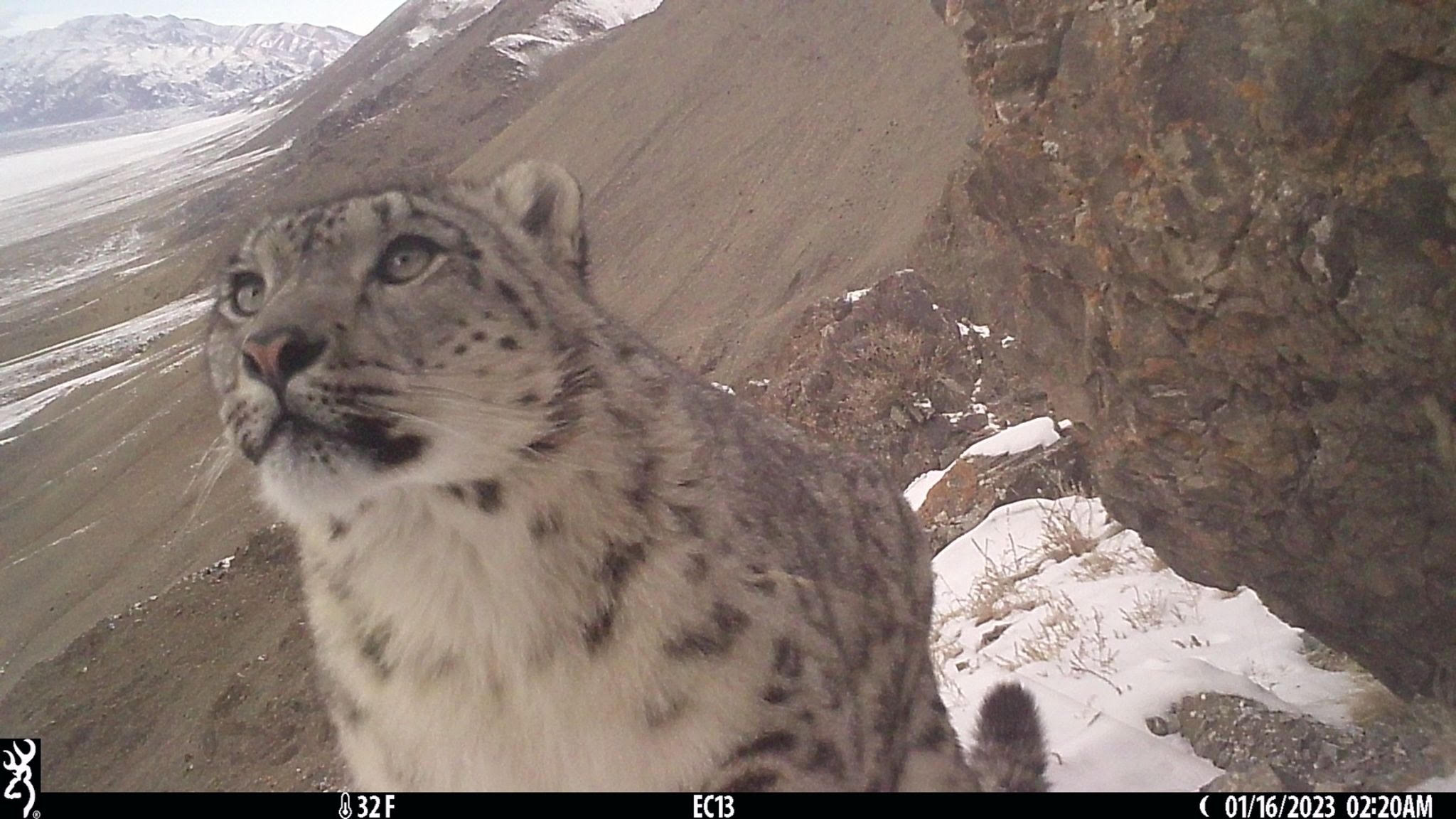
WLI camera trap photo of a snow leopard.
Advancing Coexistence Through Collaboration
Beyond monitoring, the project continues to explore practical approaches for reducing conflict. During the reporting period, Wildlife Initiative worked with local communities to establish a livestock-free zone around an identified snow leopard hotspot. Three herder families expressed their willingness to relocate grazing activities away from the area. This will help reduce disturbance to resident snow leopards while lowering the likelihood of livestock losses that can contribute to negative perceptions of wildlife. Discussions continue to ensure the long-term sustainability of the initiative.
The project also expanded through new partnerships. Collaboration with the Pallas’s Cat International Conservation Alliance (PICA) has led to the deployment of additional camera traps. These will be used to monitor the elusive Pallas’s cat while advancing innovative strategies to reduce interactions between livestock guardian dogs and wildlife. As part of this effort, bell collars will be fitted to herders’ livestock guardian dogs. These provide an early auditory cue that alerts wildlife to the presence of free-roaming dogs and helps reduce predatory encounters. Follow-up veterinary visits are planned within the next 12 months to vaccinate dogs and collect biological samples for diet analysis. This data will help evaluate the effectiveness of the bell collars. It will also support efforts to minimize disease transmission between domestic animals and wildlife. These efforts reflect a growing commitment to understanding and conserving the broader ecological community that shares Mongolia’s mountain ecosystems.
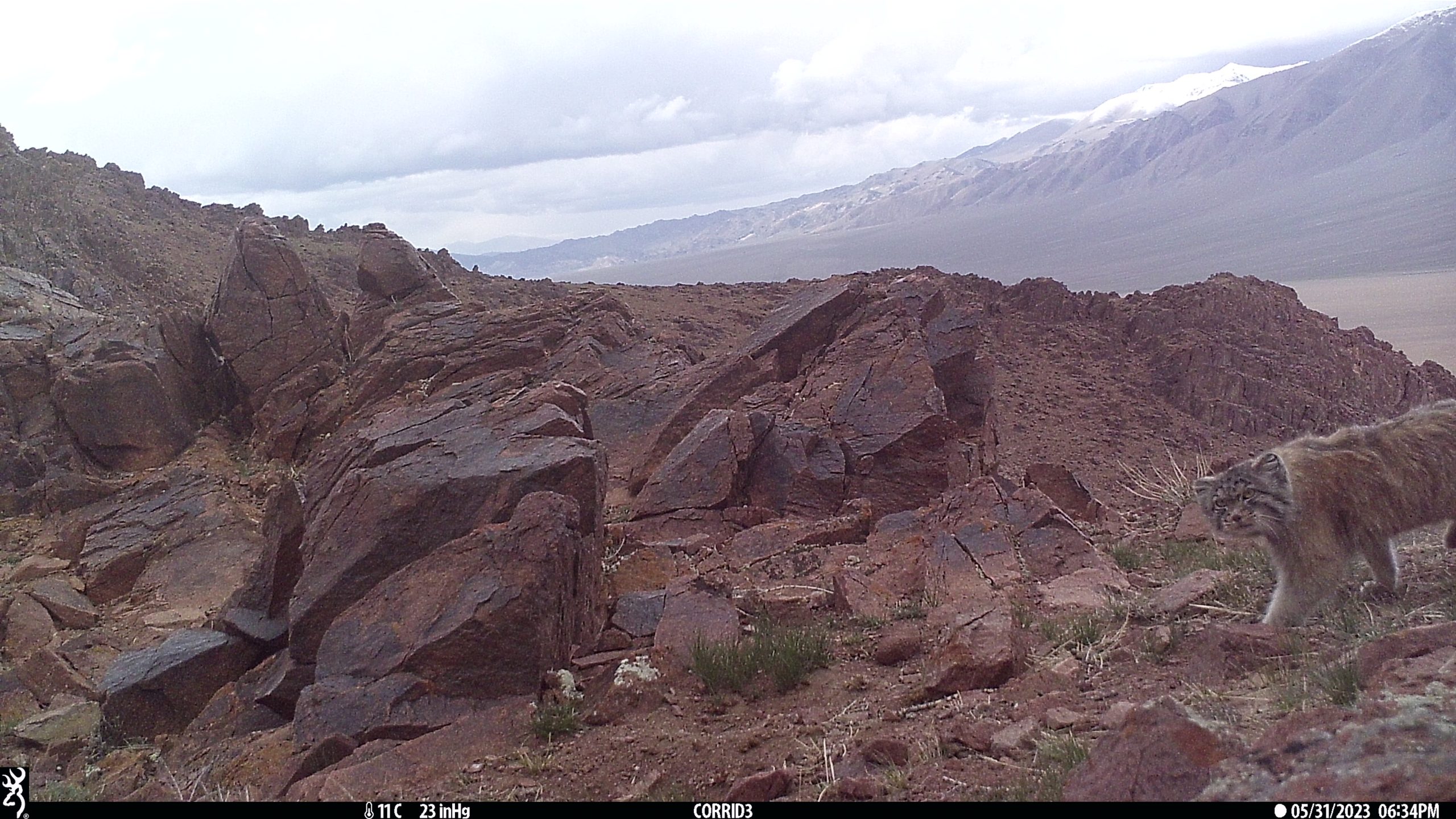
WLI camera trap photo of a Pallas’s cat.
Looking Ahead
As with many conservation initiatives, obstacles remain. Researchers observed that foxlight deterrent devices distributed several years ago have begun to deteriorate. This is due to the harsh environmental conditions of the Mongolian Altai, reducing their effectiveness. At the same time, broader socioeconomic changes are reshaping local communities. New employment opportunities associated with mining and coal transport are drawing some families away from traditional herding. This is changing both the monitoring network and social fabric of the region.
Despite these realities, one theme emerged consistently throughout the year: local participation remains strong. Herders continue to contribute meaningful observations, assist with fieldwork, and engage in discussions about coexistence solutions. Their involvement demonstrates that effective conservation is built not only on scientific data, but also on trust, collaboration, and shared stewardship.
As the project moves forward, researchers will complete additional analyses, expand wildlife research efforts, and continue developing targeted conflict-mitigation strategies. Together, these efforts are helping build a stronger understanding of how people and snow leopards can successfully share the same home, creating a foundation for more resilient communities and healthier ecosystems across western Mongolia.
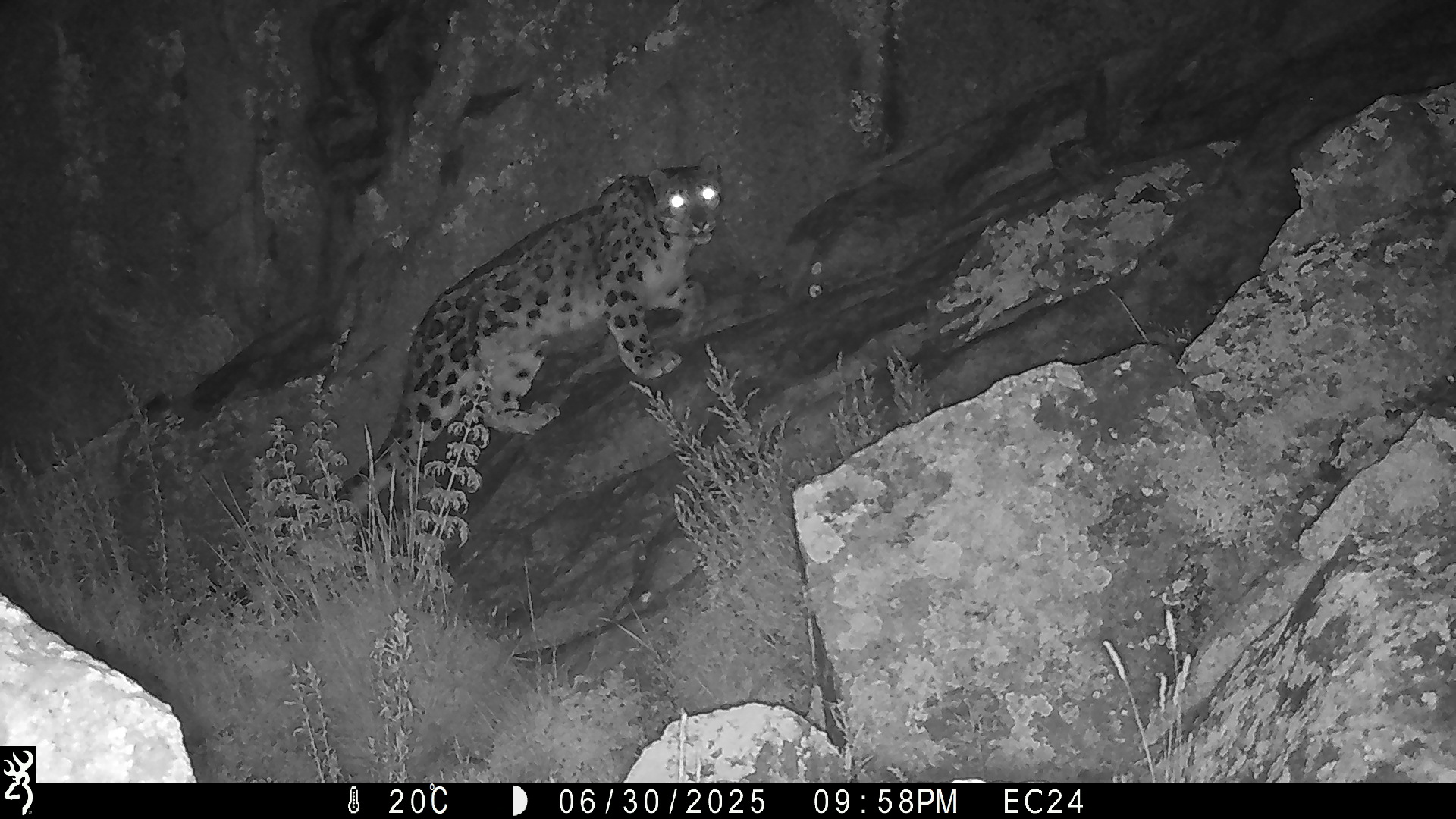
WLI camera trap photo of a snow leopard.