
Photo: Ashleigh Lutz-Nelson
ONE HEALTH – ONE WELFARE VETERINARY TECHNICIAN TRAINING PROGRAM, NEPAL
This year, Snow Leopard Conservancy and its partners, International Veterinary Outreach and Nepali NGOs Animal Nepal and Mountain Spirit, joined forces through the One Health – One Welfare program to strengthen local institutional capacity and improve the lives of both animals and people living in the remote mountain regions of the Annapurna Conservation Area (ACA), Nepal.
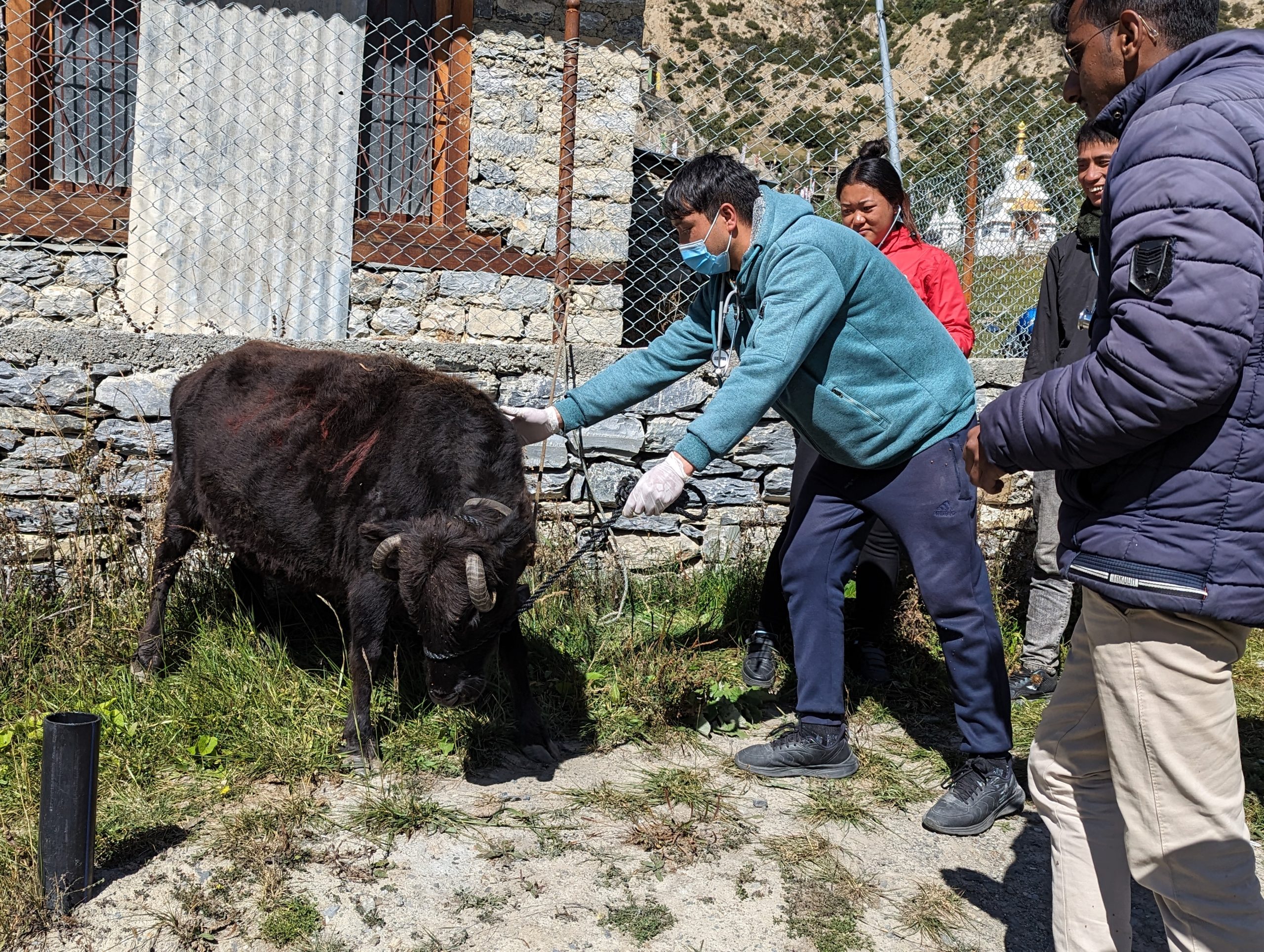
Photo: SLC
In September, the One Health – One Welfare team hosted an eight-day training program for Nepalese Junior Technicians and Junior Technical Assistants (paraveterinarians) working in ACA’s Manang Valley.

Photo: Eric Eisenman
Combining classroom-based interactive learning with hands-on training, our workshops empowered the veterinary technicians who play a crucial role in promoting animal health and welfare, as well as mitigating human-wildlife conflict in their communities, to support coexistence with carnivores.
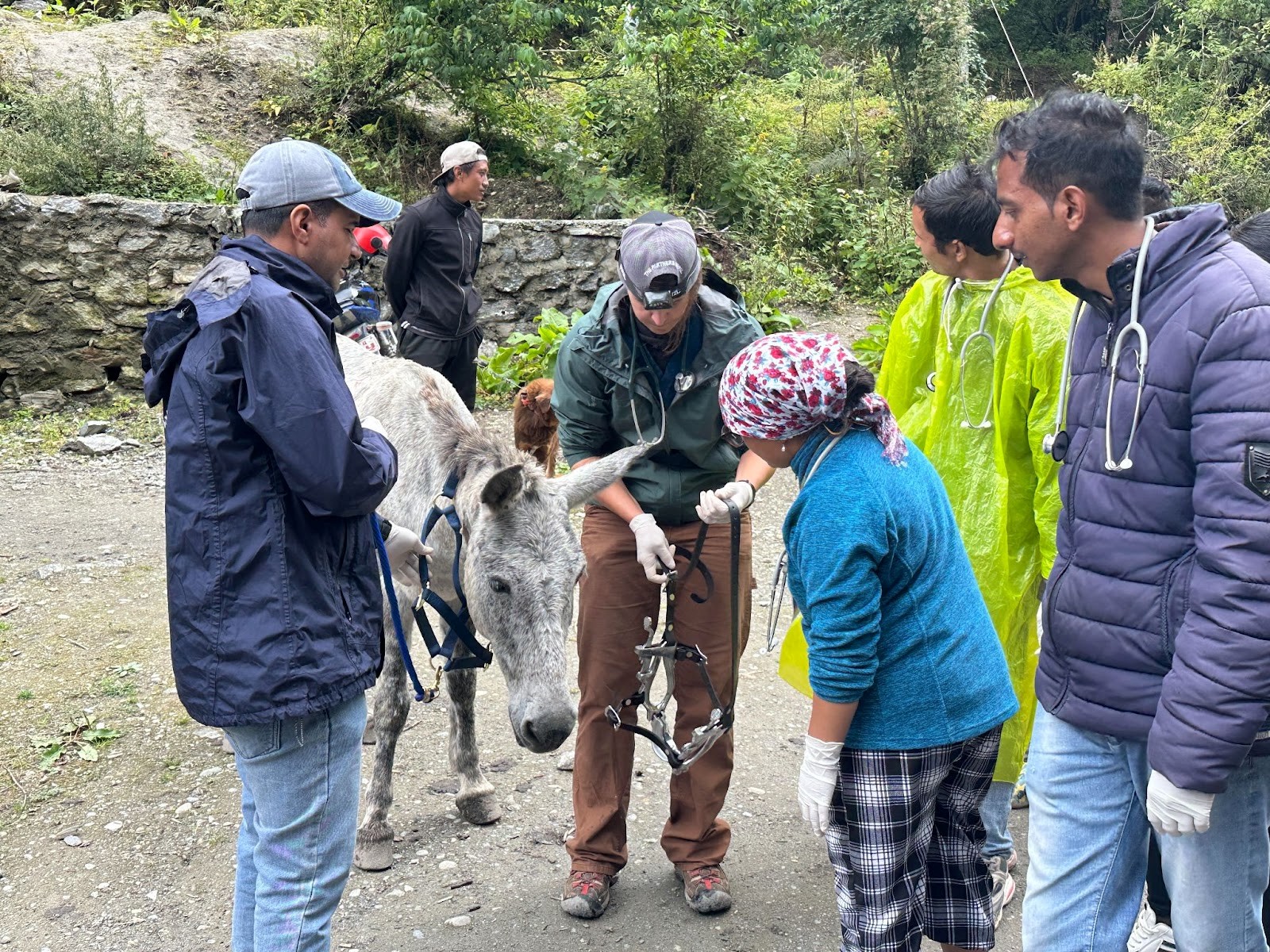
Photo: Kayley Bateman
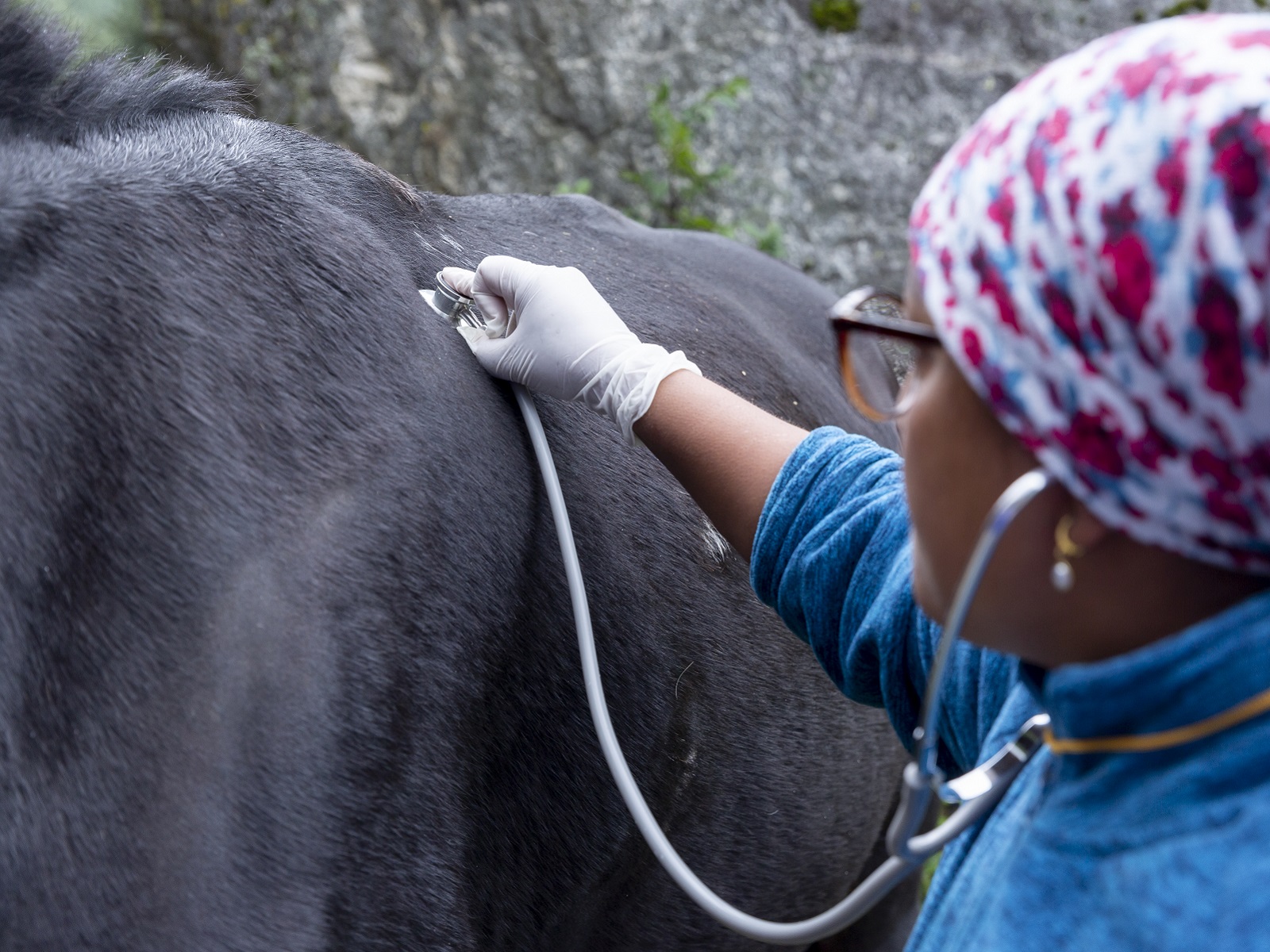
Photo: SLC
This training-the-trainers approach provides continuing education for these dedicated professionals working on the frontlines to create a healthy interface between humans, domestic animals, and wildlife in Nepal’s remote mountains.

Photo: Ashleigh Lutz-Nelson
During this training, our veterinary team provided preventative care for 250 domestic animals, reducing the threat of emerging zoonotic diseases spreading to wildlife, particularly the endangered snow leopards in Nepal.
Your support will enable us to expand and continue bringing critical veterinary resources to the high mountains.