On the "Saving Wildlife with Sam" podcast, Ashleigh Lutz-Nelson of the Snow Leopard Conservancy explains how conservation in Nepal depends on community-led solutions. From predator-proof corrals to livestock programs, she shows how reducing human-wildlife conflict protects both people and snow leopards while highlighting conservation’s challenges and hope.
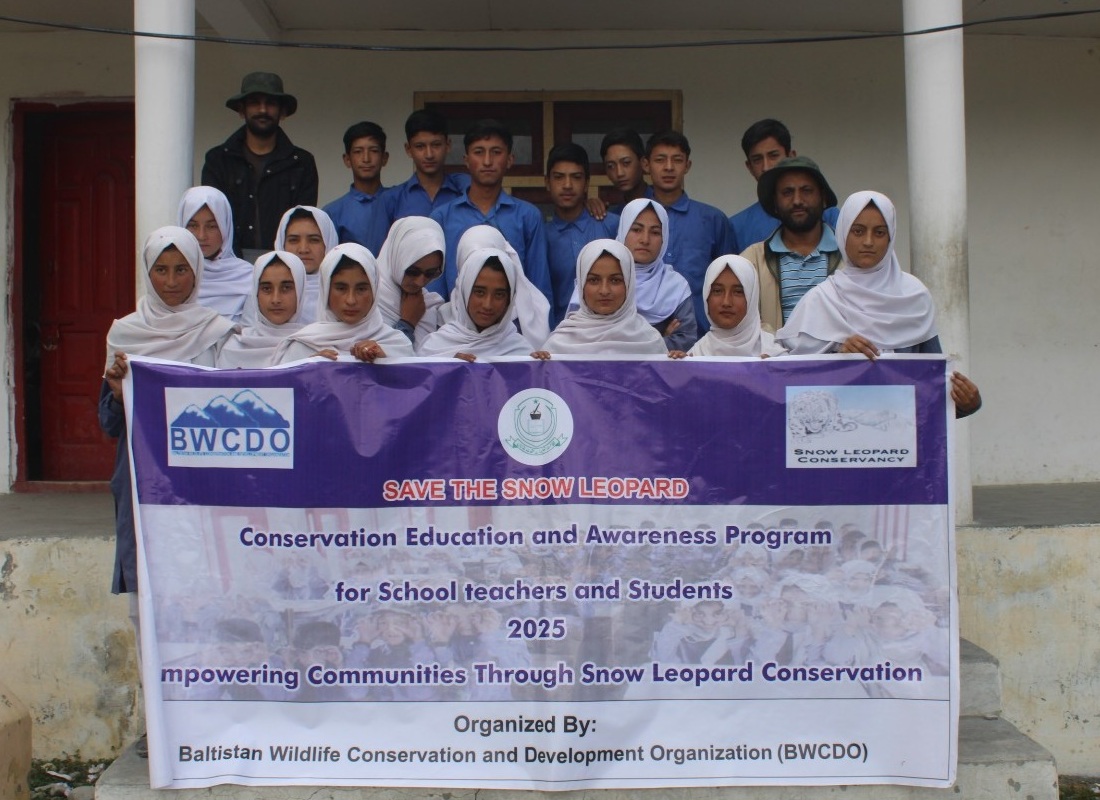
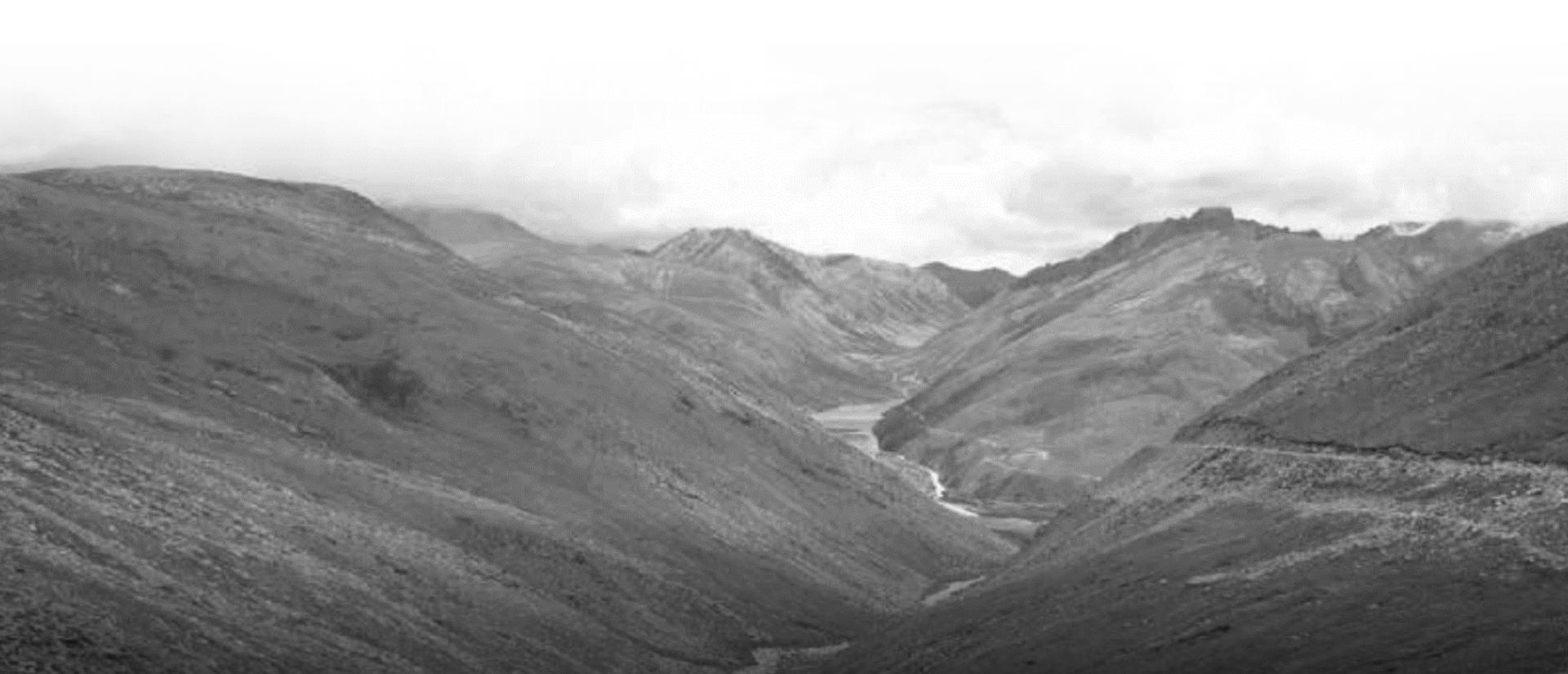
Embracing an all-encompassing approach, the Baltistan Wildlife Conservation & Development Organization works in close collaboration with local communities of Gilgit Baltistan, Pakistan, for the conservation of snow leopards and their prey.
Snow Leopard Conservancy Executive Director Ashleigh Lutz-Nelson and Tshiring Lhamu Lama join the "All Creatures" podcast to discuss protecting snow leopards in Nepal. They share field efforts, including community partnerships, anti-poaching work, camera monitoring, and support for women-led conservation and sustainable livelihoods in high mountain regions.
The snow leopard conservation education initiative, led by partner Teka Samuha Nepal (TSN), is designed to solidify a culture of coexistence between mountain communities and snow leopards. The collective goal of this program is to combine formal education with memorable, participatory experiences for all, while highlighting local voices and their experience of living among snow leopards.
Beyond the classroom, Teka Samuha Nepal conducts its highly coveted Snow Leopard Scouts program, an immersive field experience that brings conservation education to life in actual snow leopard habitat. Participants, including students, conservation teachers, local government representatives, field rangers, and community members, gather at high-altitude sites for hands-on learning about snow leopard monitoring and conservation.
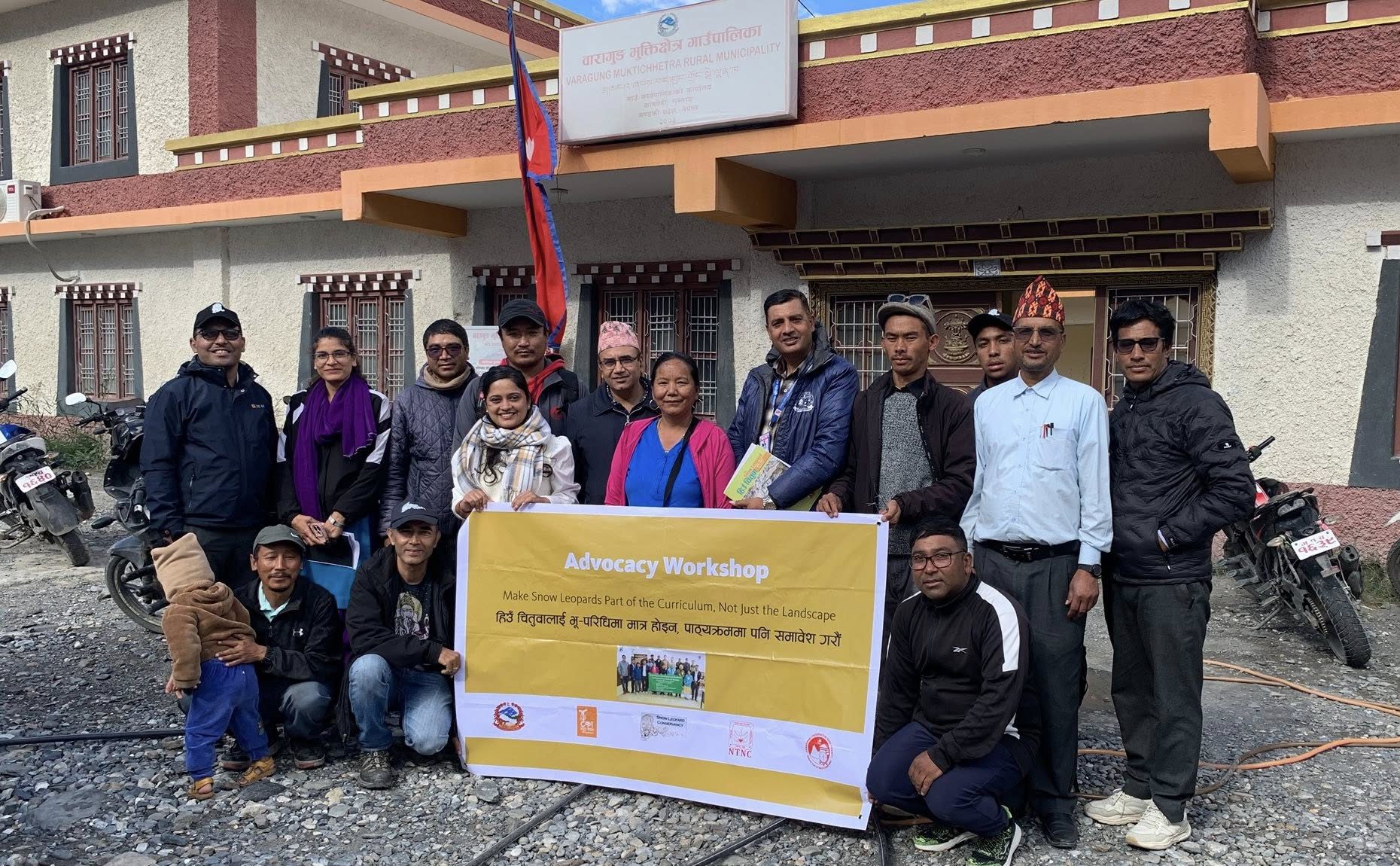
Teka Samuha Nepal conducts snow leopard conservation curriculum advocacy workshops across rural municipalities that have proved instrumental in advancing institutional adoption of snow leopard conservation education. The workshops bring together governmental officials and administrators, forest officers, headmasters, teachers, and journalists. They represent a strategic success in ensuring that snow leopard conservation education becomes permanently embedded in local educational systems.
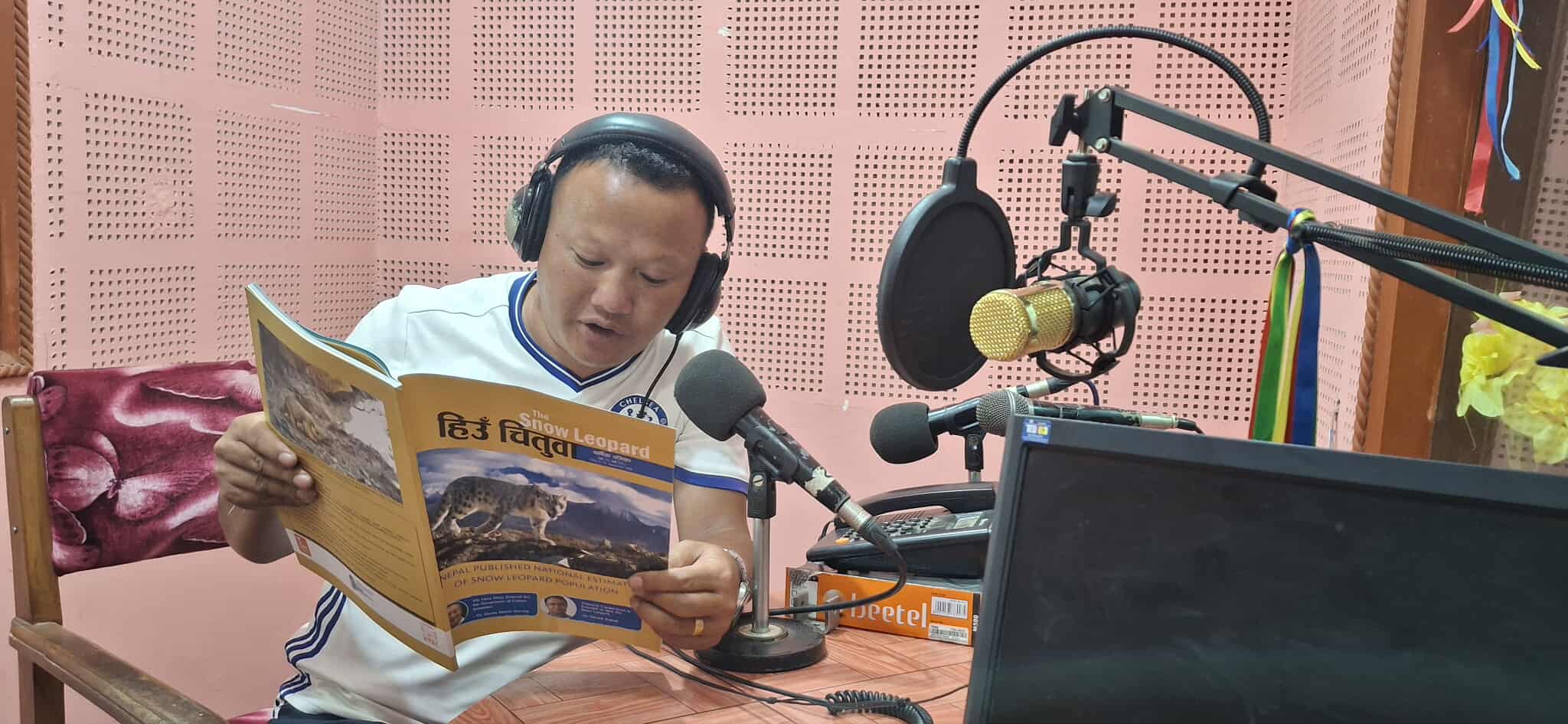
Teka Samuha Nepal has partnered with a local radio station to broadcast a series of snow leopard conservation programs. The station covers six districts in Nepal with an estimated 100,000 listeners and 69,000 followers, making it an ideal platform for reaching remote mountain communities. Broadcasts cover issues related to snow leopard conservation, focusing on community-based approaches.
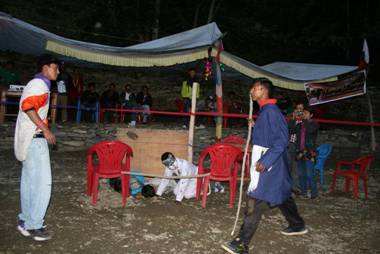
Teka Samuha Nepal has introduced an innovative approach to community engagement through intimate "Snow Leopard Tea Talks,” - small, informal gatherings designed to create spaces for open dialogue about local conservation issues. Participants include senior citizens, former rural municipality chairmen, women's group members, herders, homestay and hotel owners, teachers, and local government representatives.
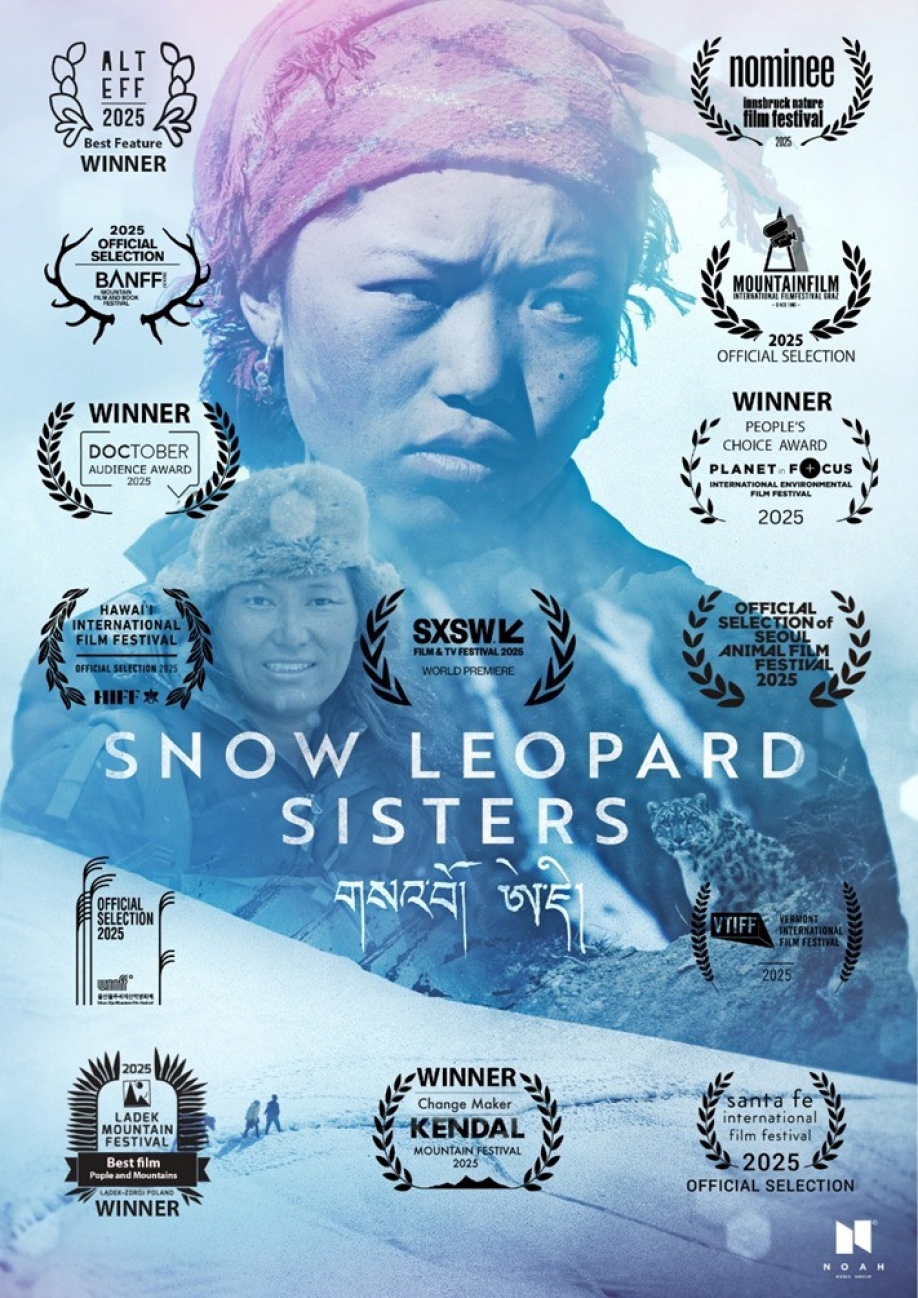
The Snow Leopard Conservancy is proud to be the impact partner for the feature documentary, Snow Leopard Sisters, featuring the work of our longstanding local partner Tshiring Lhamu Lama and her ground-breaking conservation efforts to preserve the snow leopard population in her home district of Dolpo, Nepal. We are working together to reduce retaliatory killings through local education programming, construction of predator-proof corrals, and establishing a green local economy enmeshed with snow leopard conservation.
Each year, the Snow Leopard Conservancy holds an Artwork & Poetry Contest with the hope that these creative works will be instrumental in helping us to develop awareness of the snow leopard and foster an understanding not only of its importance to the high mountain ecosystem but also its value to local communities as both a cultural and spiritual icon.
For all awarded submissions at this and previous years, click below:
Reproduction of art and literary works appearing on this website is permitted for educational purposes. Reproductions should be
credited appropriately to the various authors and/or artists.
For reproduction of art and/or literary works appearing on this website for any other purpose than educational, please contact our
team at info@snowleopardconservancy.org in order that we might obtain special permission from the individual authors and/or
artists.
Snow Leopard Conservancy (SLC) is a 501(c)(3) organization with a small headquarters team based in San Francisco, California, supporting wildlife conservation in Asia’s High Mountains.
SLC is committed to the principles of being an equal opportunity employer (EOE). SLC’s organizational policies, practices, programs, activities and decisions regarding employment are not based on a person’s race, color, sex, age, sexual orientation, gender identity, religion, national origin, disability, veteran status, parental status, housing status, or other protected status, in accordance with applicable law.
Black, Indigenous, people of color, women, individuals identifying with the LGBTQIA+ community, or members of other underrepresented groups in the conservation sector are strongly encouraged to apply.